Inquiry form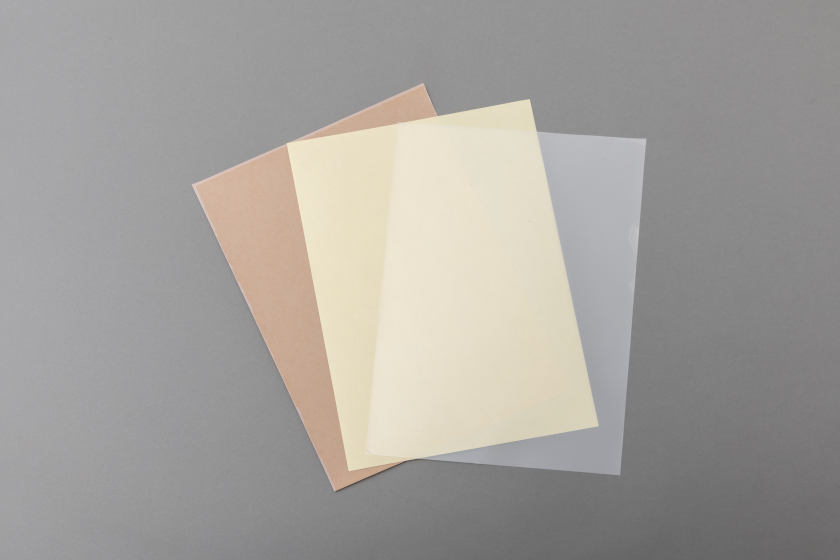
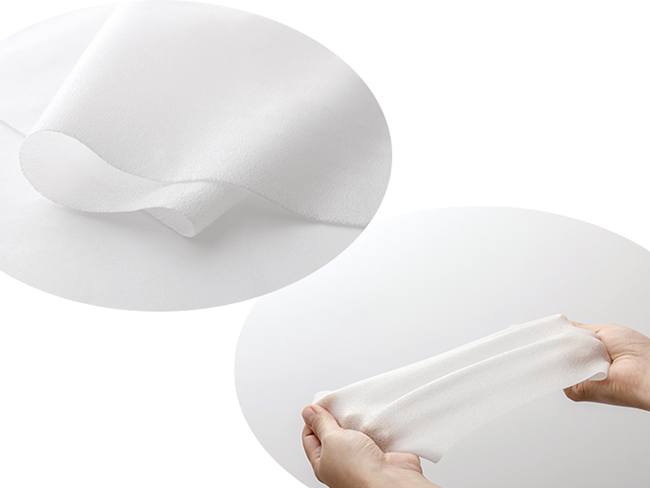
“We want to eliminate organic solvent odors from the adhesion process,” “We want to reduce drying oven space and electricity bills,” “We want to test in small quantities or small lots,” “We want die-cut shapes”—to address these challenges, we propose our thermoplastic adhesive sheets, “Hot Melt Sheets.” Available in sheet and film forms, you can cut and use only the required amount, and adhesion can be achieved via heat pressing with an iron or similar equipment. We supply a wide range of grades—including olefin-based, polyester-based, urethane-based, PVC, multi-layer products, and custom composite materials—in small quantities and small lots with short delivery times, starting from just a few A4 sheets.
Three Major Adhesive Challenges: Organic Solvent Odor, Drying Process, and the Wall of Small-Lot Purchases



At production sites using adhesives, three major obstacles are frequently heard:
(1) Odors and handling difficulties associated with solvent-based adhesives,
(2) Line occupancy and high electricity bills caused by drying ovens and curing times,
(3) Existing suppliers failing to respond to needs such as “We only want a small amount for testing” or “We want to die-cut into a special shape.”
Particularly in areas close to the human body or precision parts, such as food packaging, hygiene products, and electronic components, shifting to an adhesion method that does not use organic solvents has become an urgent matter. On the other hand, during development and prototyping phases, flexible responses like “We want to evaluate performance with a few A4 sheets” or “We want to die-cut into the shape of our own product” are required.
● Scenarios where this becomes apparent: Prototyping phases for new product development / Improvement of existing line environments (solvent-free shift) / Compliance with safety regulations for hygiene products and food packaging / Production startup for electronic components (FFCs, tab leads, etc.) / Assembly process improvement for automotive parts.
● Main impacts: Workplace environment deterioration due to organic solvent odors and VOC emissions, power consumption and floor space occupancy from the drying process, increased prototype costs caused by large procurement lots, and development stagnation due to unfulfilled requests for special shapes.
Why Going Solvent-Free Is Delayed: The Triple Hurdle of Applicable Resins, Shape Accommodation, and Small-Lot Sales
The hot melt method inherently offers major advantages, as it enables adhesion through heat pressing alone without solvents and eliminates the need for a drying process. However, the primary reasons for delayed adoption at production sites lie in a triple hurdle:
(1) Difficulty finding a resin grade that matches the substrates (PP, PE, PET, metal, fabric, etc.),
(2) Lack of commercial distribution channels that can arrange the required thickness, size, and die-cut shape from a small lot,
(3) Limited number of suppliers possessing application-specific expertise, such as for FFC reinforcement plates and secondary battery tab leads.
As a result, despite the desire to go solvent-free, a situation persists where companies cannot break away from conventional solvent-based adhesives.
● Grounds for identification: Customer site hearings regarding substrate and adhesive strength requirements, melting point and characteristic comparisons across various resin systems (olefin / polyester / urethane / PVC / composite materials), and cross-referencing internal evaluation data for A4 prototypes.
Countermeasures Attempted So Far and Their Limits
Enhanced ventilation for solvent-based adhesives and drying oven expansion (environmental burdens and costs remain), replacement with double-sided tape or hot glue (insufficient strength, heat resistance, and shape flexibility), in-house heat molding of general-purpose hot melt raw materials (excessive prototyping costs and unstable quality), and direct importation of overseas products (large minimum lots preventing prototyping). In all cases, either “solvent-free shift,” “small-lot prototyping,” or “special shape accommodation” was missing.
Based on these limitations, we adopted the following approach as a more fundamental solution.
Solution Approach: Proposing Resin-Based Grades × Small-Lot/Small-Quantity Supply × Die-Cutting & Composite Processing

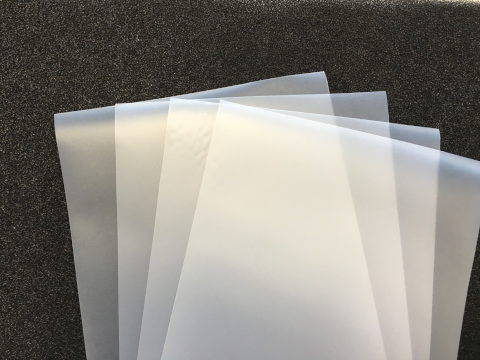
From a broad lineup including olefin, polyester, urethane, PVC, multi-layer, and composite materials, we propose the optimal grade matching your substrates, heat resistance conditions, and adhesive strength. Furthermore, we accommodate sheet shapes, die-cutting processing, and custom composite materials (such as flame-retardant VTM-0 equivalent products) for only the required amount, supplying them in small quantities and small lots with short delivery times starting from just a few A4 sheets.
STEP. 01
Substrate/Condition Hearing and Grade Selection
We conduct hearings on the materials to be bonded (PP, PE, PET, metal, fabric, etc.), required adhesive strength, heat resistance, elasticity, low-temperature adhesion necessity, and expected pressing temperature. We present the optimal grade from olefin-based (heat resistance, low-temperature adhesion), polyester-based (high adhesion to PET/metal), urethane-based (elasticity), PVC (low cost), and others.
STEP. 02
Immediate Shipment of A4 Samples and Customer Evaluation
We also respond to consultations like “We just want a few A4 sheets for testing.” We immediately ship small lots with release sheets, allowing you to perform heat pressing tests using an iron or similar equipment within your company. Consultations for die-cutting special shapes, such as star or wave shapes, are also available.
STEP. 03
Application-Specific Custom Composite Materials and Mass Production Supply
We plan and mass-produce custom-made products tailored to each application, such as covering materials for FFC wires (flame-retardant VTM-0 equivalent composite materials), multi-layer products for secondary battery tab leads, solar cell backsheets, and PET bottle body-wrap labels. We ensure a stable supply in various thicknesses, widths, and lengths, centering around 30 to 150 μm thicknesses.
Fuji Chemi Trading’s Supply System: Headquarters × Mito Processing Center × Japanese Manufacturer Collaboration
This solution is established through a clear division of roles among multiple bases:
・ Headquarters / Sales & Technical: Substrate and required physical property hearings, resin grade proposals, sharing of application examples (food, electronics, automotive), and sample coordination.
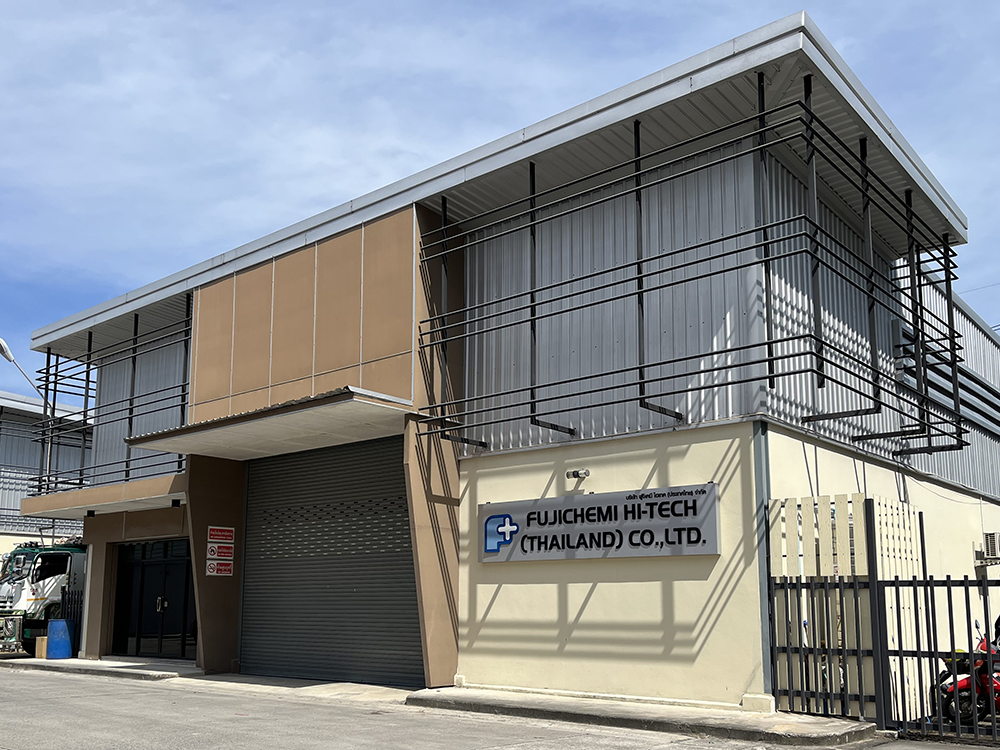
・ Mito Processing Center: Accommodating sheet cutting, slitting, and die-cutting processes, immediate shipment of small A4 samples, and composite material prototype support.
・ Partner Manufacturers: Joint development of custom composite materials and various hot melt master rolls such as olefin, polyester, and urethane systems.
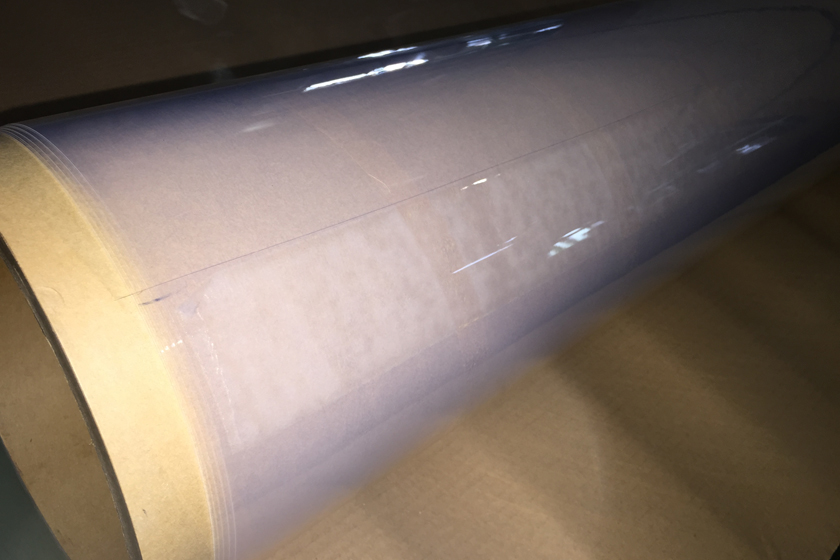
● Supply System: We handle both roll products and cut products in small quantities and small lots with short delivery times. We provide comprehensive support from testing consultations for just a few A4 sheets to continuous supply during mass production.
Results of Implementation
By replacing solvent-based adhesives with hot melt sheets, we have simultaneously achieved:
(1) Zero organic solvent odors and VOC emissions,
(2) Process shortening, floor space reduction, and electricity reduction by eliminating drying ovens,
(3) Reduced material loss by cutting and using only the required amount,
(4) Improved assembly precision through die-cut accommodation.
Since work can begin with small A4 quantities from the prototyping stage, development speed has also been significantly shortened.
● KPI Candidates: VOC emission reduction / Drying process power consumption reduction / Assembly man-hours reduction / Defect rate reduction / Prototyping lead time reduction / Material loss rate reduction.
● Implementation Lead Time: Samples of a few A4 sheets can be shipped immediately. After mass production specifications are finalized, we provide short delivery times in wound rolls or cut shapes.
Anticipated Ripple Effects and Horizontal Expansion
The benefits of implementing this solution extend beyond solving the primary issues. Please utilize this as material for internal and management proposals.
・Promoting solvent-free practices in human-contact areas such as food packaging and hygiene products → Safety regulation compliance and brand value improvement
・Extension to mass-produced items in electronic and energy fields, such as FFC reinforcement plates, secondary battery tab leads, and solar cell backsheets
・Simplification and automation of assembly processes for automotive mats, PET bottle labels, clear cases, etc.
・Joint development expansion into components with strict regulatory requirements, such as flame-retardant VTM-0 equivalent products
・Moisture-proof and waterproof proposals for joining metal/olefin parts by combining with water-based olefin adhesives
Differences from Competitors: Why Fuji Chemi Trading is Chosen
While many trading companies only sell master rolls, we provide a one-stop service covering “grade proposals + small-quantity small-lot supply + die-cutting/cutting at our Mito Processing Center + custom composite material planning.” Being able to conduct prototype evaluations starting from just a few A4 sheets and possessing an accumulation of specialized applications—such as FFC reinforcement plates, secondary battery tab leads, and flame-retardant composite materials—is our unique strength. Furthermore, we can offer combination proposals with adjacent products, such as water-based olefin adhesives (where the application area can be checked under a blacklight).
Product Information & Specification Overview
The main specifications of products with a proven track record can be selected from multiple grades depending on the application and required conditions. Representative specifications are as follows (please contact us for detailed specs).
| Hot Melt Type | Thickness (μm) | Composition | Melting Point (°C) | Features | Substrate / Main Applications |
|---|---|---|---|---|---|
| Olefin-based | 30–150 | Hot melt alone + release sheet | 66–150 | Heat resistance, low-temperature adhesion | PP, PE, others |
| Polyester-based | 30–150 | Hot melt alone + release sheet | 105–126 | High adhesion strength | PET, metal, others |
| Polyester-based (for reinforcement plates) | 30– | Hot melt alone + release sheet | — | FFC reinforcement plates | PET, metal, reinforcement plates |
| Urethane-based | 30–150 | Hot melt alone + release sheet | 100–135 (Softening point) | Excellent elasticity | Fabric, others |
| PVC | 70– | Hot melt alone + release sheet | 85– | Low cost | Fabric, others |
| Multi-layer | Total thickness 100– | Hot melt alone / Hot melt alone | — | Multi-layering with different melting points | For secondary battery tab leads |
| Composite material (Custom-Made) | Representative example: 25/27 | Flame-retardant hot melt / PET or other films | — | Flame-retardant VTM-0 equivalent | Covering material for FFC wires / PET / metal |
Utilization Methods and Operation Examples
In actual operations, the following patterns are frequently adopted:
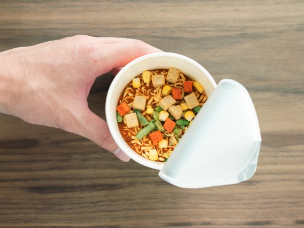
・Food Packaging: Complying with food hygiene regulations through solvent-free and low-temperature adhesion.
・Corrugated Cardboard & Bookbinding: Omit the drying process to improve manufacturing throughput.
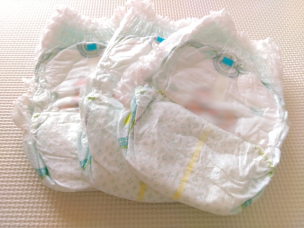
・Diapers & Sanitary: Achieving comfortable adhesion against the skin using the elasticity of urethane systems.
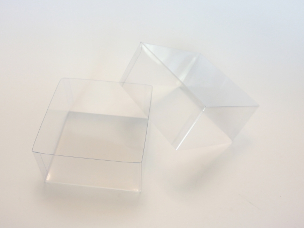
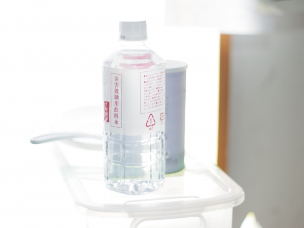
・Clear Cases & PET Bottle Body-Wrap Labels: Balancing transparency and adhesive strength with polyester systems.
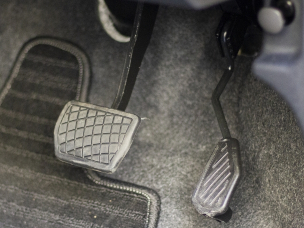
・Solar Cell Backsheets & Automotive Mats: Handling applications requiring heat resistance using olefin systems and composite materials.
・FFC Wire Covering Materials & Secondary Battery Tab Leads: Addressing high-performance requirements in electronic and energy fields with flame-retardant composite materials and multi-layer products.
・Combined Use of Water-Based Olefin Adhesives: Serving as a moisture-proof and waterproof material for metal/olefin joints, where the applied section can be visually verified under a blacklight.



FAQ (Frequently Asked Questions)
What are the main applications?
They span a wide variety of areas, including electronic components (FFC reinforcement plates, secondary battery tab leads), electric wires, vehicles, emblems, apparel, printed wiring, furniture materials, building materials, food packaging, and hygiene products.
We want just a few A4 sheets for testing; is that possible?
Yes, we can prepare them. Please inform us of your substrates, expected pressing temperature, and required number of sheets. We will ship them with a short delivery time.
How do we choose the right resin system that matches our substrate?
Based on the rule of thumb, we propose olefin-based for PP/PE, polyester-based for PET/metal, urethane-based for fabrics or when elasticity is required, and PVC when low cost is prioritized, while also taking heat resistance conditions and adhesive strength into account.
Is die-cutting or special shape processing possible?
Yes, we can accommodate die-cutting processing tailored to the shapes you want to bond, such as star or wave shapes. Our Mito Processing Center handles both prototyping and mass production.
Can you accommodate composite materials with flame-retardant specifications?
We have a track record with flame-retardant VTM-0 equivalent products (Custom-Made) that integrate flame-retardant hot melt and PET film. They are adopted for covering materials for FFC wires and other applications.
Do you also handle water-based adhesives?
We handle water-based olefin adhesives (special adhesives). They have good compatibility with metals and their application area can be visually checked under a blacklight, so they are adopted as waterproof and moisture-proof materials for electronic components, electric wires, and vehicle applications.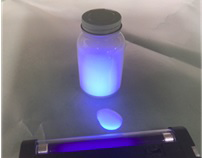
Proposals by Related Applications and Challenges
■ Achieve Electricity Bill Savings and Extreme Heat Countermeasures Simultaneously with Heat-Shielding & UV-Cut Sheet “F+COOL” | An Original Self-Developed Product with JIS Certification
■ Realize Size-Free Body-Fitting Products with the New Material HUMOFIT® | Small-Quantity Small-Lot Processing and Sales of Temperature-Dependent Sheets
■ Small-Lot and Slitting Processing for FPC Release Film | Supplying Evaluation Samples with Short Lead Times from Stock Items